
Top Rock Choices for Freshwater Aquariums: Your Guide to Ideal Aquarium Rocks
When I first started setting up my freshwater aquarium, I was overwhelmed by the choices of rocks available. But over time, I learned that picking the right rocks is not just about looks. It’s about creating a healthy, safe, and beautiful environment for your fish and plants. Today, I want to share with you the ideal aquarium rocks that can transform your tank into a stunning underwater world.
Rocks add natural beauty, provide hiding spots for fish, and even help maintain water quality. But not all rocks are made equal. Let’s dive into the best options and what you should avoid.
Why Choosing Ideal Aquarium Rocks Matters
Rocks are more than just decoration. They play a big role in your aquarium’s ecosystem. Here’s why choosing the right rocks is important:
Safety for Fish: Some rocks can change water chemistry, which might harm your fish.
Natural Habitat: Rocks create caves and crevices where fish can hide and feel secure.
Aesthetic Appeal: The right rocks can make your aquarium look like a natural riverbed or lake.
Water Quality: Certain rocks can help balance pH and hardness, which is crucial for freshwater tanks.
When you pick ideal aquarium rocks, you’re not just making your tank look good—you’re also making it a safe and happy home for your aquatic friends.
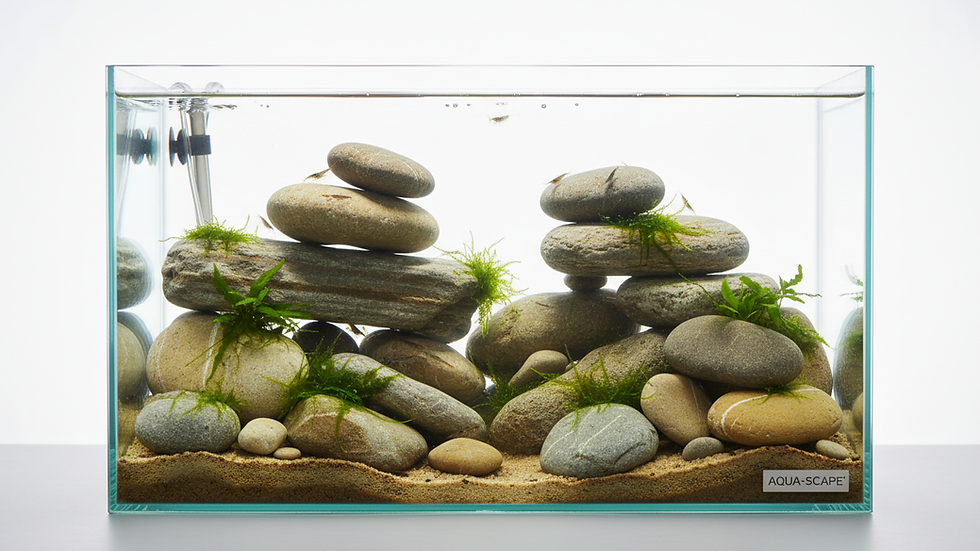
Best Types of Rocks for Freshwater Aquariums
Let me share some of the best rocks I’ve used and seen recommended by experts. These rocks are safe, attractive, and easy to maintain.
1. Slate
Slate is a popular choice because it’s flat, smooth, and easy to stack. It creates great caves and ledges for fish to explore. Plus, it doesn’t affect water chemistry, so it’s safe for most freshwater fish.
Benefits: Easy to clean, stable, and natural-looking.
Use: Great for aquascaping and building rock formations.
2. Granite
Granite is a hard, durable rock that comes in many colors. It doesn’t dissolve in water, so it won’t change your tank’s pH. Its rough texture also helps beneficial bacteria grow.
Benefits: Long-lasting, safe, and adds a natural look.
Use: Perfect for creating a rugged, natural environment.
3. Quartz
Quartz rocks are beautiful with their shiny, crystalline appearance. They are chemically inert, meaning they won’t affect water parameters. Quartz can brighten up your tank and add sparkle.
Benefits: Visually striking, safe, and easy to clean.
Use: Use as accent pieces or to create contrast in your aquascape.
4. Lava Rock
Lava rock is lightweight and porous, which makes it excellent for beneficial bacteria colonization. It also adds a unique texture to your aquarium. However, make sure to rinse it well before use.
Benefits: Promotes biological filtration, lightweight.
Use: Ideal for planted tanks and bio-filtration setups.
5. Sandstone
Sandstone has a warm, earthy look and is generally safe for freshwater tanks. But be careful—some sandstone can leach minerals, so test it before adding to your aquarium.
Benefits: Natural appearance, good for hiding spots.
Use: Use in moderation and monitor water parameters.
If you want to explore more options, check out this list of best rocks for freshwater aquarium to find the perfect match for your tank.

What Rocks Should Not Be Used in an Aquarium?
Not all rocks are safe for your freshwater aquarium. Some can harm your fish or ruin your water chemistry. Here are rocks you should avoid:
1. Limestone
Limestone can raise the pH and hardness of your water because it contains calcium carbonate. This is bad if you have fish that prefer soft or acidic water.
2. Marble
Like limestone, marble can alter water chemistry and increase hardness. It’s best avoided unless you want to keep fish that thrive in hard water.
3. River Rocks from Unknown Sources
Rocks collected from outside can carry harmful bacteria, parasites, or chemicals. Always buy aquarium-safe rocks or thoroughly clean and test any natural rocks before use.
4. Rocks with Sharp Edges
Sharp rocks can injure your fish. Avoid rocks that are jagged or have rough surfaces that can harm delicate fins.
5. Painted or Treated Rocks
Never use rocks that have been painted or chemically treated. These can leach toxins into your water and harm your fish.
By avoiding these rocks, you protect your fish and keep your aquarium environment stable and healthy.
How to Prepare Rocks for Your Aquarium
Before adding any rock to your tank, preparation is key. Here’s a simple step-by-step guide I follow:
Clean the Rocks: Rinse thoroughly with warm water. Avoid soap or detergents.
Soak the Rocks: Soak in water for a few days to check if they change water color or pH.
Test for Reactivity: Put a few drops of vinegar on the rock. If it fizzes, it means the rock contains calcium and can affect water chemistry.
Boil if Needed: For extra safety, boil rocks to kill any bacteria or parasites.
Arrange Carefully: Place rocks securely to avoid collapsing and injuring fish.
Taking these steps ensures your rocks are safe and ready to enhance your aquarium.
Tips for Creating a Beautiful Rockscape
Creating a rockscape is an art. Here are some tips I use to make my aquarium look amazing:
Use Different Sizes: Mix large and small rocks for a natural look.
Create Hiding Spots: Stack rocks to form caves and tunnels.
Balance with Plants: Combine rocks with live plants for a lush environment.
Keep It Stable: Make sure rocks are stable and won’t fall.
Think About Fish Behavior: Some fish like open spaces, others need hiding spots.
With these tips, your aquarium will not only look great but also be a comfortable home for your fish.
Your Aquarium Rocks Journey Starts Here
Choosing the right rocks can feel tricky, but it’s worth the effort. The right rocks bring beauty, safety, and balance to your freshwater aquarium. Whether you pick slate, granite, quartz, or lava rock, make sure they are clean and safe.
If you want to explore more about the best rocks for freshwater aquarium, check out trusted sources and suppliers. Remember, your aquarium is a little world, and the rocks you choose are the foundation of that world.
Happy aquascaping! Your fish will thank you for it.


Comments